
What CFOs Actually Want When They Ask About IT Spend
The CIO who presents the IT budget by tool category is answering a question the CFO did not ask. The reframe is the single highest-leverage move in the CIO-CFO relationship.

The Veteran on Your IT Team
The veteran on your enterprise IT team is not a diversity checkbox. It is an operational asset the enterprise routinely undervalues.

How You Come Up in the Meeting You're Not In
Executive-level reputation does not travel through your presentations. It travels through the offhand references peer executives make about you when you are not in the room.

When to Insource, When to Outsource, When to Do Both
The build-vs-buy debate has been running for thirty years because the framing is wrong. It is a portfolio decision, not a per-project one.

When You Notice Your Best Engineer Went Quiet
Silence from a senior engineer is not a management concern. It is a governance signal.

The AI You Didn't Approve
Every previous chapter of Shadow IT came with a rip cord. This one does not. Data that leaves the enterprise perimeter through a personal-tier AI assistant does not come back.
Direct, Indirect, Hidden: The Three Costs Most IT Savings Stories Miss
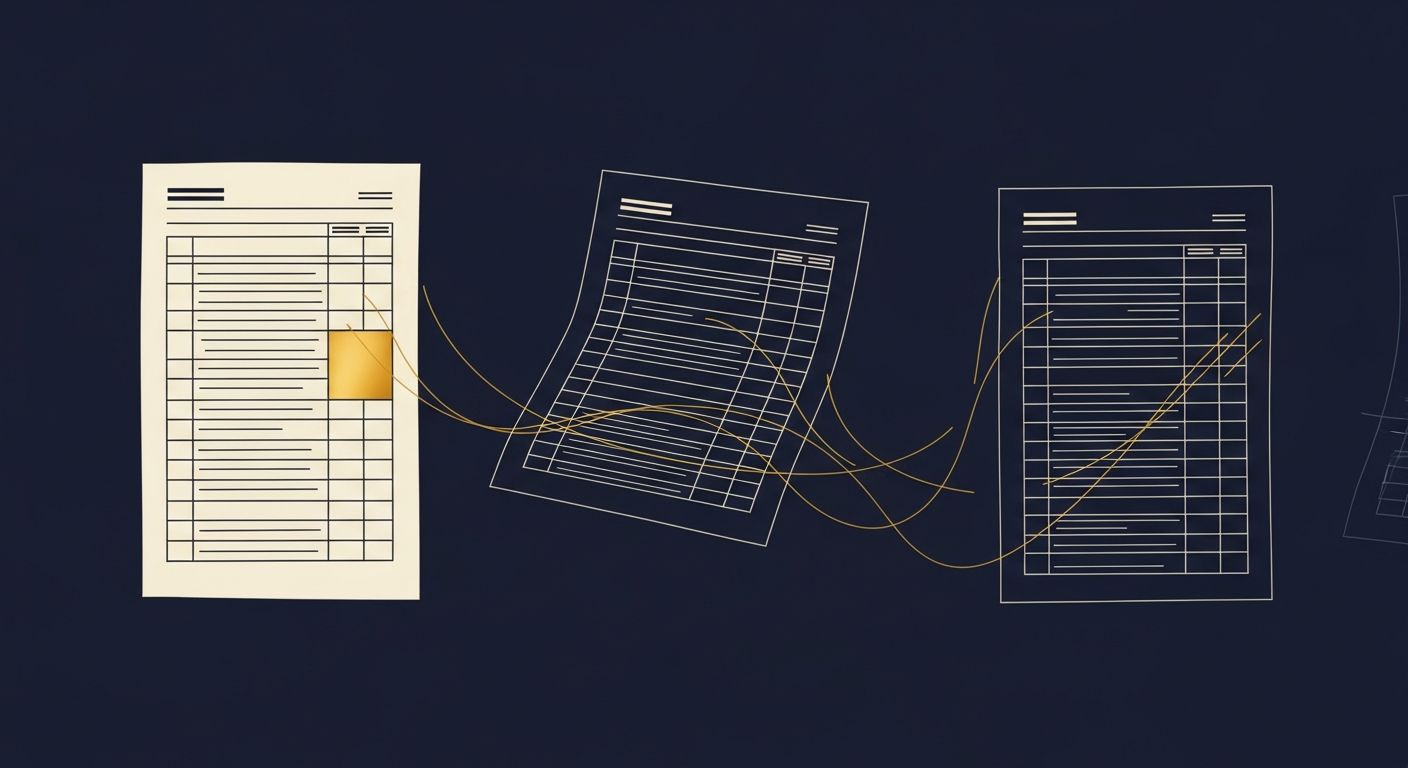
A savings claim that doesn't name where the work went is not a savings claim. It is a transfer claim.

Frontier AI Just Fit Inside the Box You Own
For years, frontier AI lived in someone else's data center. This week, NVIDIA shipped the version that can live in yours.

AI in IT Operations: What It's Actually Doing, and Where I Don't Trust It Yet
Most of what gets written about AI in IT operations is written by people selling it. This is from someone running it.

The IT Leader's Playbook for Post-Acquisition Technology Chaos
Growth by acquisition is a business strategy. Technology chaos is its side effect. Here's the playbook.

Standardization Is a Leadership Problem, Not a Technical One
167 vessels. 83 offices. 30 people spread across the globe. The hard part was never choosing the right configuration.

Vendor Consolidation Is Logistics, Not Technology
About 78 US sites consolidated to two ISPs. The technical decisions were the easy part. The logistics is where most consolidations quietly fall apart.

Starlink on the Water: What Maritime IT Leaders Need to Know Before Deploying
41 Starlink units. VSAT eliminated. A fleet that went from no connectivity to near-complete coverage on the water.

How We Brought 38 Ferries Online in 8 Months Without Missing a Sailing
38 vessels with 38 different configurations. 8 months to standardize them all. While the ferries kept sailing.

Why I Built a Career Development Program That Nobody Had to Attend
When you make it voluntary, the people who show up are the ones who actually change.